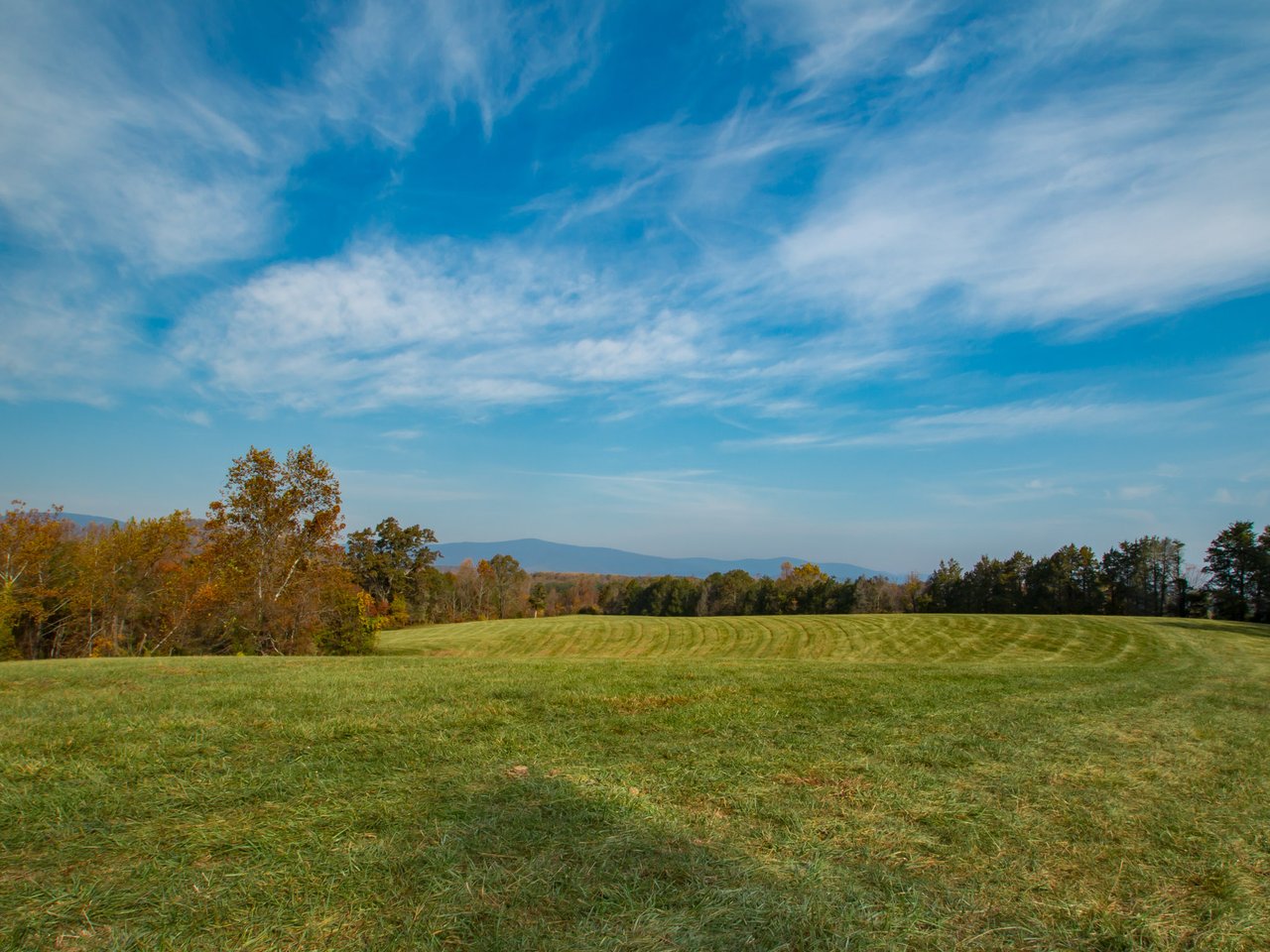
Keeping the Countryside: How Virginia's Land Use Program Works
By Justin Wiley | Corcoran Wiley | Orange, VA
Drive south from Charlottesville on Route 20 toward Scottsville, or west on Route 250 past Crozet into the foothills of the Blue Ridge, and you'll pass mile after mile of open pasture, working cattle farms, hay fields, and woodland that feels timeless and unhurried. That landscape doesn't preserve itself. Much of it exists because of a quiet but powerful piece of Virginia law called the Land Use Assessment Program and if you own rural property in Central Virginia, it may be one of the most important financial tools available to you.
What the Law Says
Virginia's Land Use Assessment Program was created by the General Assembly in 1971, codified in Article 4 of the Code of Virginia (Sections 58.1-3229 through 58.1-3244). The premise is simple: in a state where development pressure drives land values far above what farming can ever justify economically, taxing agricultural land at full market value is effectively a tax on agriculture itself. The law allows participating localities to assess qualifying rural land at its use value — what it produces as farmland, forest, or open space — rather than its market value, which reflects what a developer would pay to subdivide it.
There are three qualifying categories under state law:
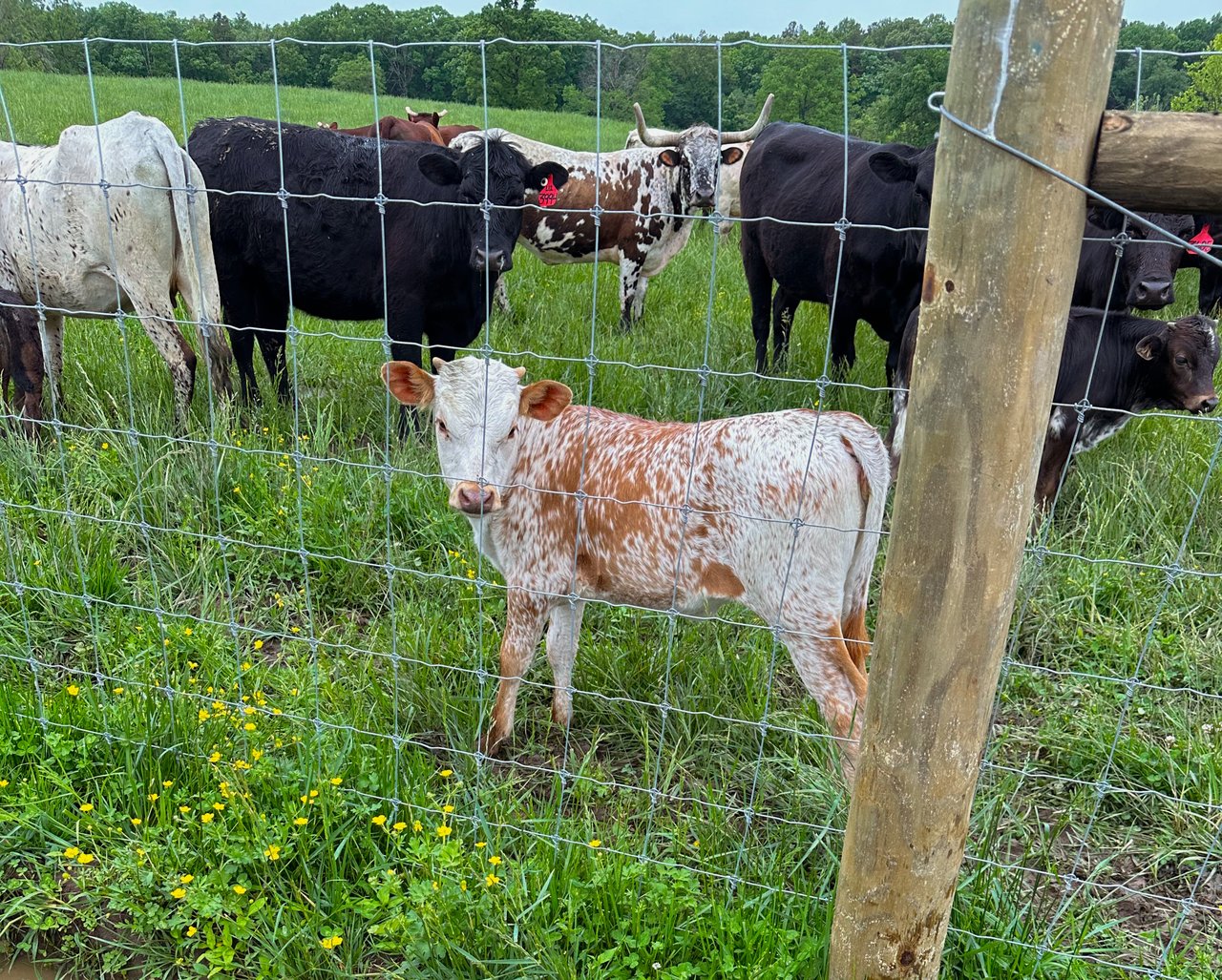
Agriculture and Horticulture A minimum of five acres actively devoted to the commercial production of crops, livestock, or horticultural products, generating at least $1,000 annually in qualifying revenue. Cattle, hay, and vineyards are the most common qualifying uses in our region.
Forest Use A minimum of 20 acres of standing timber managed under a qualifying forestry plan prepared by a professional forester.
Open Space Land devoted to conservation, scenic, historical, or recreational purposes, consistent with the county's land use plan. Minimum acreage varies by locality.
The basic framework applies across Virginia, though specific requirements, acreage minimums, and income thresholds vary by county and not every Virginia locality has adopted the program. Albemarle, Orange, Nelson, Fluvanna, Greene, Madison and Louisa Counties are all active participants in the program.
How the Tax Savings Work
The financial benefit is straightforward: instead of paying real estate taxes on what your land would fetch on the open market, you pay taxes on what it's worth as a farm. Lets use an extreme example to illustrate how the tax deferment amount is arrived at. Assume market value for undeveloped land in a given county has averaged around $27,000 per acre, while enrolled agricultural land can be assessed as low as $400 per acre for tax purposes. On a 50-acre farm, that gap translates to thousands of dollars in annual tax savings, real money that makes continued farming and rural stewardship economically viable rather than punishing.
The Roll-Back Tax: Understanding the Exit Penalty
The land use savings are a deferral, not a permanent exemption. When qualifying land is converted to a non-qualifying use such as being sold to a developer, rezoned, or subdivided — the owner may trigger "roll-back taxes" equal to the deferred taxes from the five most recent tax years, plus interest. In Albemarle County, this typically works out to roughly six and a half to eight times the annual land use tax bill, due within 30 days of billing.
This is not a punishment, it's an accounting of what was deferred. But it functions as a meaningful financial reality check for anyone considering converting enrolled land. A seller who wants to move a 50-acre enrolled farm into a subdivision has to reckon with that roll-back obligation before signing a contract, and buyers need to understand it too. On larger acreage properties, this exposure can be material, and it belongs in every conversation about value. Note: In most cases, properties under conservation easement comply with land use criteria and are taxed at a below-market rate.
Why This Is Good Policy
The argument for land use taxation in Central Virginia is ultimately about what kind of place we want this to be. Albemarle County alone has approximately 3,768 parcels enrolled in the program, representing over 200,000 acres, a meaningful share of the county's total land area, most of it in cattle and hay operations.
Without the program, the tax burden on rural landowners would rise in lock-step with development pressure, making it financially rational, sometimes necessary, for farm families to sell and move on. The land use program changes that math and makes continued stewardship viable.
There is also a straightforward fiscal argument: farmland and forests generate almost no demand for public services. No school buses, no road extensions, no water and sewer infrastructure. Working farms consistently produce more in tax revenue than they consume in county services, even at reduced land use rates. Every acre that stays in agriculture rather than becoming a subdivision is a net positive for the county budget.
The open countryside along the James River south of Charlottesville, the horse farms along Garth Road and the Free Union corridor, the vineyards spreading across the eastern face of the Blue Ridge are the landscapes define Central Virginia for the people who live here and the buyers who choose to invest here. The land use program is one of the reasons they still exist.
If you're buying or selling a farm or large-acreage property in Albemarle, Orange, Nelson, Fluvanna, Madison, Greene or Louisa, land use status is one of the first things we examine because it directly affects both the annual cost of ownership and the net proceeds at sale. We're glad to walk you through it.
Justin Wiley is a Broker/Owner at Corcoran Wiley, specializing in farms, estates, and high-end residential properties throughout Central Virginia. With offices in Charlottesville and Orange, Corcoran Wiley serves buyers and sellers across Albemarle, Orange, Madison, Greene, Fluvanna, Louisa, and Nelson Counties.
Contact us | View farm and estate listings | 434.293.3900
Keywords: Virginia land use assessment program, Albemarle County land use taxation, Orange County Virginia farm tax, land use rollback taxes Virginia, farm property for sale Charlottesville, agricultural land Albemarle County, rural land preservation Central Virginia, buying a farm Charlottesville VA, Corcoran Wiley farm real estate