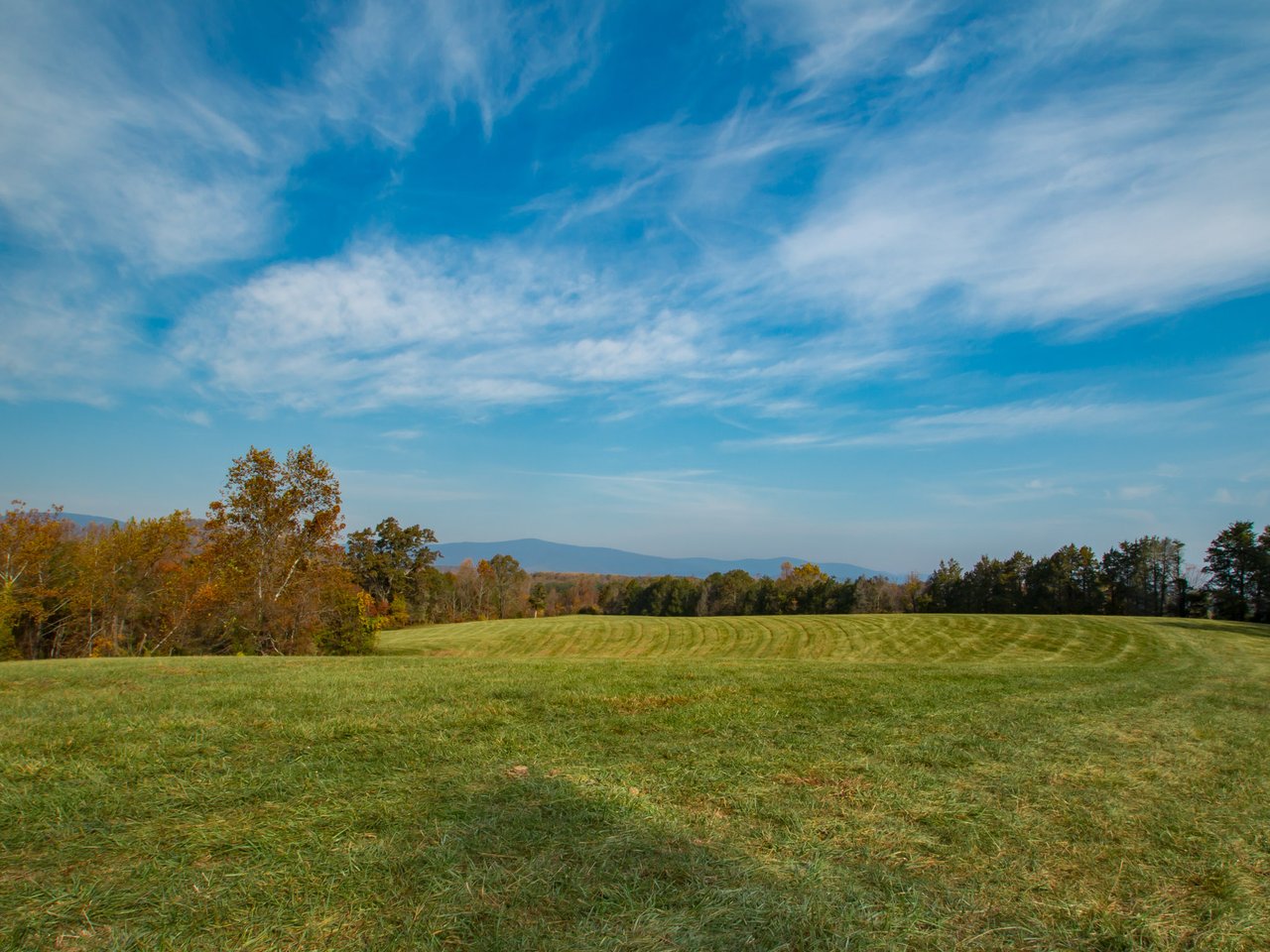
If you've driven the back roads of Albemarle County, out past Batesville, towards White Hall, along James River Road south of Scottsville, or through the rolling piedmont of Orange County east of town, you've seen it: mile after mile of fencing that defines the landscape as much as the Blue Ridge itself. Board fence. Woven wire. Post and rail. The way a farm is fenced tells you a great deal about how it's been managed, the farm’s purpose, and, for buyers and sellers, a great deal about value.
At Corcoran Wiley, we spend a lot of time on fenced properties. Farms in Fluvanna County, horse operations along the Garth Road corridor, cattle farms in Orange and Madison Counties. We've walked hundreds of fence lines, and we've learned to look at fencing the way a good lender looks at a balance sheet, as both an asset and a liability, depending on its condition and purpose.
Here's what you need to know about the two most common farm fencing systems in Central Virginia.
Woven Wire: The Workhorse of Central Virginia Livestock Farms
If you're running cattle, sheep, goats, or any four-legged livestock other than horses, woven wire is almost certainly your best choice and the standard you'll find on well-managed farms throughout the region.
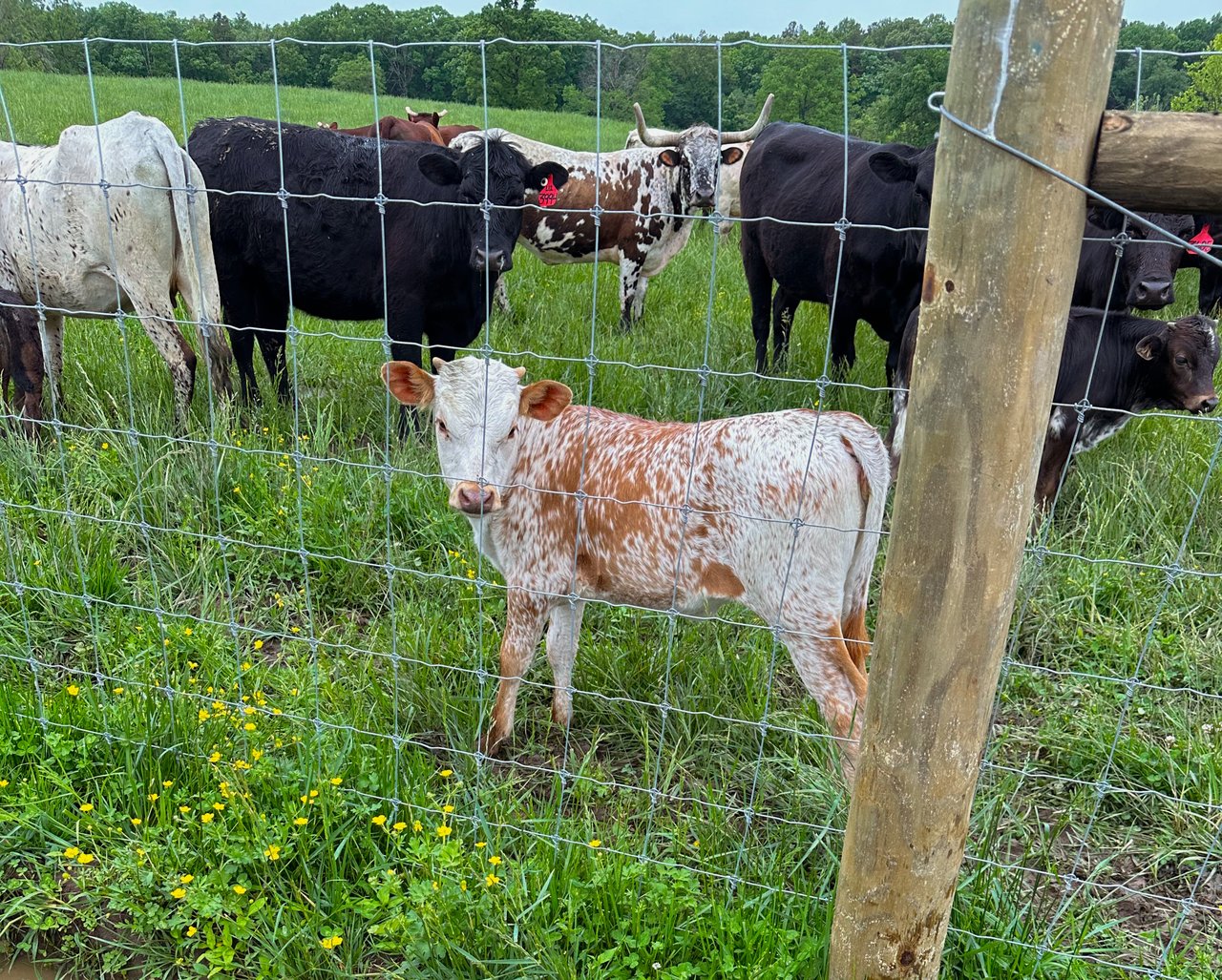
Woven wire, sometimes called stock fence, is exactly what it sounds like: horizontal and vertical wires woven into a grid pattern, with openings that graduate in size from bottom to top. The smaller spacing at the base keeps young animals such as lambs and calves, piglets from pushing through or getting a leg caught, while the larger openings near the top reduce material cost without sacrificing containment.
In Central Virginia, where the terrain rolls and the soil ranges from red clay in parts of Albemarle and points east, to rocky hillsides in Nelson to the loamy soils of Orange County, properly installed woven wire fence requires solid cedar or locust corner posts sunk 36 inches or more, with line posts every 12 to 16 feet. While a little harder to find these days, Virginia locust, in particular, has been the preferred native post material for generations — it resists rot better than almost any other wood and grows prolifically in our hedgerows and woodlands. You'll see it on farms that have been fenced the same way for 50 or 100 years, and the locust posts are still solid while everything else has changed around them.
What woven wire does well: It contains livestock reliably and economically across large acreage. A 200-acre cattle farm in southern Albemarle County can be cross-fenced with woven wire for a fraction of what board fence would cost, and it will hold up for decades with basic maintenance. It also works beautifully as a perimeter fence combined with a single strand of barbed wire or electric wire along the top, which discourages deer pressure and keeps animals from leaning into the fence over time. Aesthetic Note: Woven blends into the landscape better than board fencing. Keep this in mind when fencing in your viewshed.
What to watch for when buying: When we walk a farm with woven wire, we're looking at the corners first. If the corner posts are leaning, the whole fence is under stress. Then we look at the staples — are the wires still tight or have they been pulled loose by years of cattle rubbing? In Fluvanna and Louisa Counties, where cattle operations are common, we regularly see fences that look fine from the road but are a single hard frost or determined bull away from failure.
Board Fence: The Signature of the Horse Country
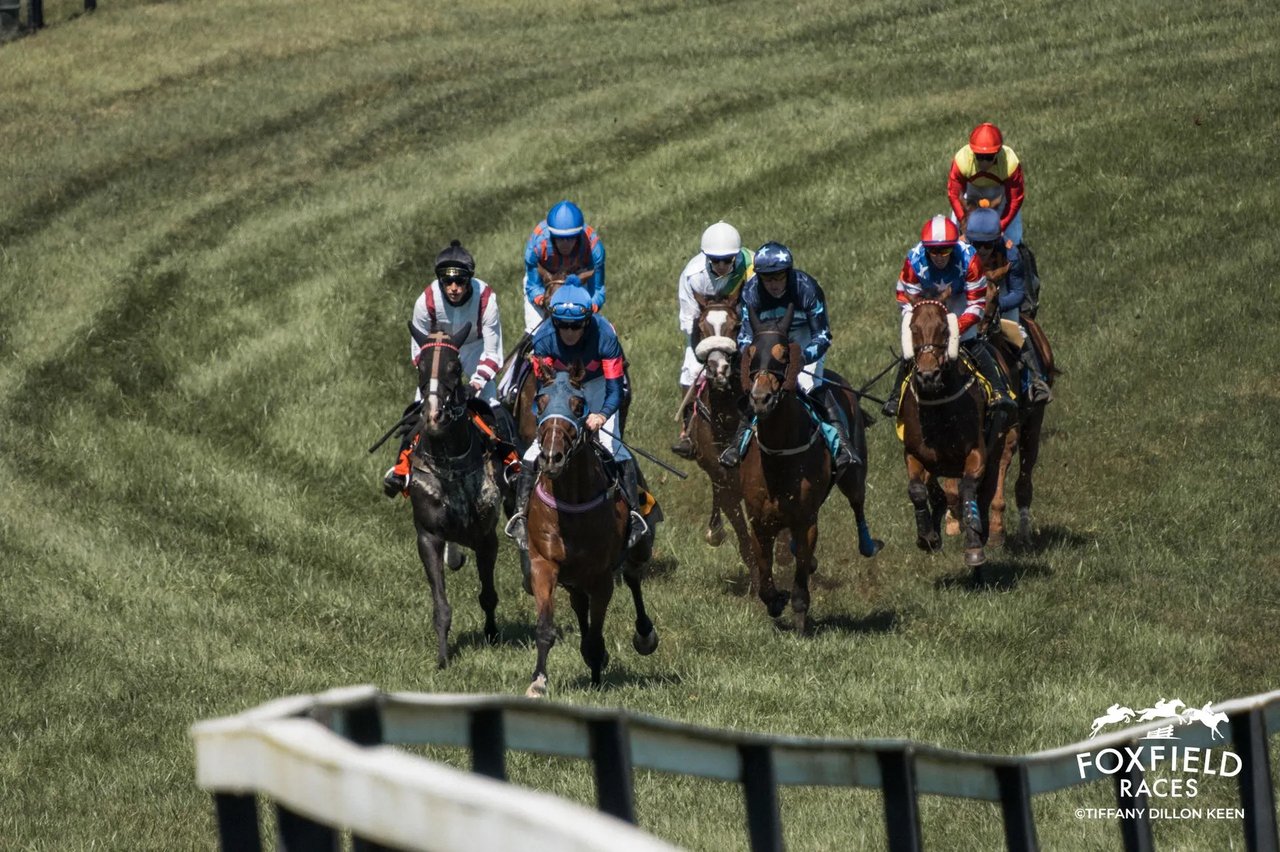
There is no fencing in Central Virginia more iconic than the four-board wooden fence that lines the horse farms and equestrian estates of the Piedmont. Drive out Garth Road from Charlottesville toward Free Union, or through Keswick and out Route 231 through the Somerset area of Orange County, and you'll see it, black or white painted board fence framing green paddocks and rolling pasture in a way that is, frankly, one of the most beautiful agricultural landscapes in America.
Board fence is the standard for horse properties, and it exists for good reason. Horses are large, powerful, and prone to running into things, and unlike cattle, they tend to test fences with their chests, not their noses. As someone who has grown up around horses there seems to be a correlation between how expensive the horse is and its ability to injure itself. A horse hitting a woven wire fence at speed can catch a leg in the wire with catastrophic results. Board fence, by contrast, gives way under impact in a way that is far less likely to cause injury. It's also highly visible, which matters: horses can see and respond to board fence at a distance rather than encountering it suddenly.
The traditional board fence in this region is built with three or four horizontal boards — 1×6 oak is common, though pressure-treated pine has become more prevalent for cost reasons. The boards are attached to round or square posts, typically 8 feet on center. Black or white paint is the convention, with black being slightly more durable and requiring less frequent repainting in the Virginia climate.
The economics of board fence: Board fence is expensive — there's no way around it. Installing new four-board wooden fence in Albemarle or Orange County runs approximately $14 to $20 per linear foot installed, depending on terrain, post type, and current lumber prices. Well-maintained older farms in Keswick or in Farmington Hunt country often have tens of thousands of linear feet of board fence representing hundreds of thousands of dollars in infrastructure.
This is why fence condition is one of the first things we assess when pricing a horse property. Fence in excellent condition — freshly painted, tight boards, no rot at the posts — is a genuine value-add and justifies premium pricing. Fence that needs significant repair or replacement is a deferred maintenance item that should be reflected in the asking price.
What Fencing Says About a Property's Value
For buyers considering farm and equestrian properties in Central Virginia, fencing is not cosmetic, it's infrastructure. A farm with 40 acres of new woven wire in excellent condition and cross-fenced pastures is materially more valuable than the same farm with failing perimeter fence, even if the house is identical. A horse property with tight, freshly painted four-board fence throughout communicates careful stewardship and commands a premium in the market.
When we list farms and estates, we always make an honest assessment of fence condition as part of our pricing discussion. When we represent buyers, we walk fence lines and build fence repair and replacement costs into our offer analysis.
If you're considering buying or selling a farm or horse property in Charlottesville, Albemarle County, or the surrounding region, we'd welcome the conversation. We've been walking these properties for decades, and we know what good land looks like- fences and all.
Peter Wiley is a Broker/Owner at Corcoran Wiley, specializing in farms, estates, and high-end residential properties throughout Central Virginia. With offices in Charlottesville and Orange, Corcoran Wiley serves buyers and sellers across Albemarle, Orange, Madison, Greene, Fluvanna, Louisa, and Nelson Counties.